
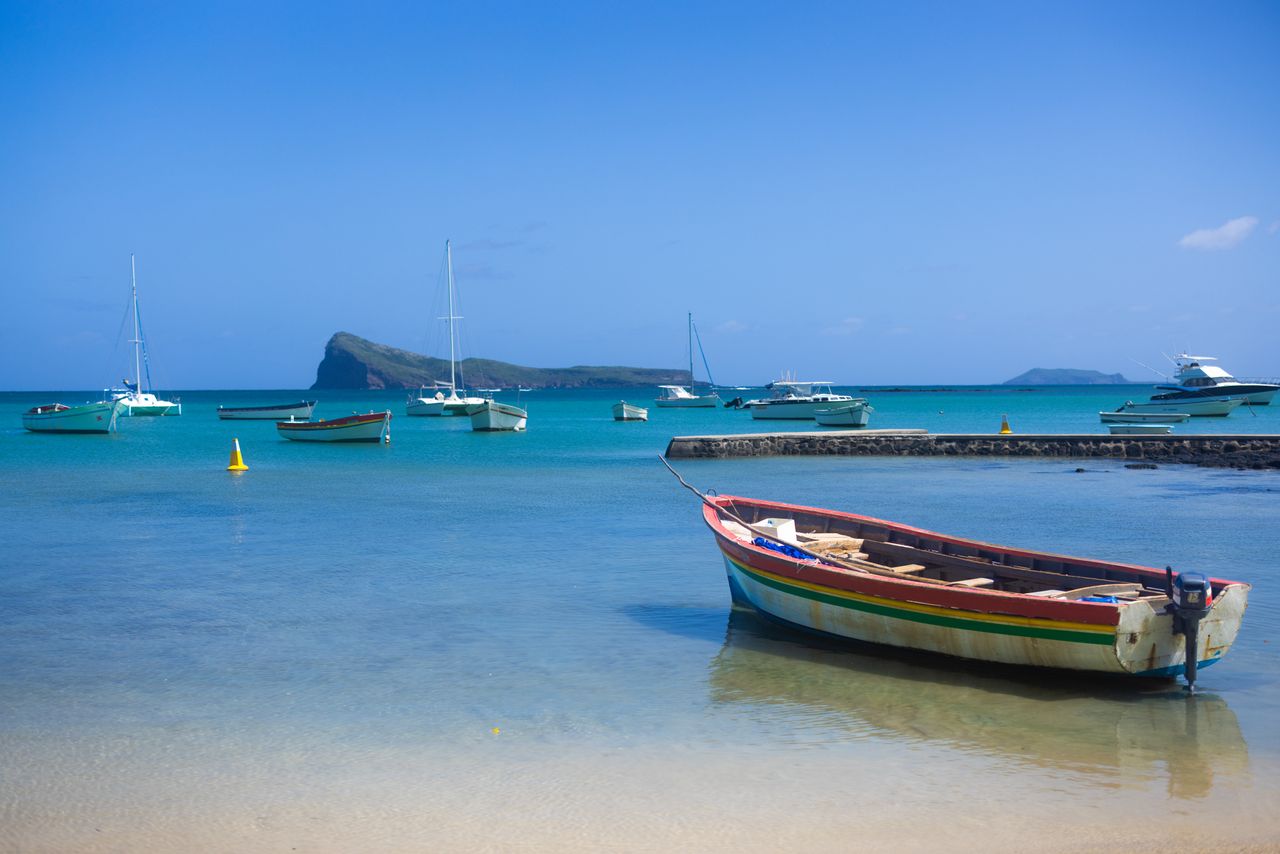
Mauritius is seeing more visitors from India with around 51,005 Indian travellers visiting the country between January and July 2026. This was 14.5% higher than the number of Indian travellers during the same period last year. To attract more Indian travellers the Mauritius Tourism Promotion Authority (MTPA) recently held roadshows in Pune, Chennai, Kolkata and Hyderabad. More than 20 tourism partners from Mauritius, including hotels, airlines and travel companies joined the programme.
Mauritius is already one of the most popular destination for beach holidays, honeymoons and weddings. But the tourism board is now trying to show Indian travellers that there is much more to see and do on the island. Visitors can enjoy family holidays, luxury trips, wellness activities, golf, local food and adventure experiences.
Mauritius also feels familiar to many Indian travellers because of its strong cultural connection with India. Here in Mauritius, English, French, Creole, Hindi and Bhojpuri are widely spoken across the island. Mauritius is also attracting more young Indian travellers who want to try something new. Many visitors are interested in adventure, nature and nightlife. At the same time, people looking for wellness and spiritual experiences are also choosing Mauritius as a place to relax and take a break. Travelling to Mauritius is also very easy for Indian passport holders. They do not need to get a visa before travelling. A free single-entry visa is issued on arrival, as long as they meet the required entry conditions.
Benoit Harter, who is the Director of Mauritius Tourism Promotion Authority, said that India is an important tourism market for Mauritius. He also pointed to the strong cultural and historical ties between India and Mauritius. He said the recent roadshows helped Mauritius understand the changing travel choices of Indian travellers and gave travel professionals a closer look at the different experiences the island has to offer. The MTPA said the roadshows were held ahead of the main travel season so that travel partners could plan their packages and promote Mauritius to more Indian visitors.
To know more about travel and tourism and want us to plan your best travel experience with us call or WhtatsApp at 91-9733533000 or you can visit https://www.marinetoalpine.com
 marinetoalpine.com